Key Takeaways
- Colonoscopies are not painful and do not require extensive complicated preparation ahead of time.
- Even if you think you are not at risk of developing colorectal cancer, you should still get screened for it.
- There are many ways to be screened for colorectal cancer, including tests you can send in from home.
Colonoscopies are a routine procedure that are important for your digestive system, colon and general health. While some patients avoid getting colonoscopies, they should not be avoided.
Erik Olson, DO, a gastroenterologist at Rochester Regional Health, debunks some common misconceptions about colonoscopies and reiterates their importance.
Why is a colonoscopy so important?
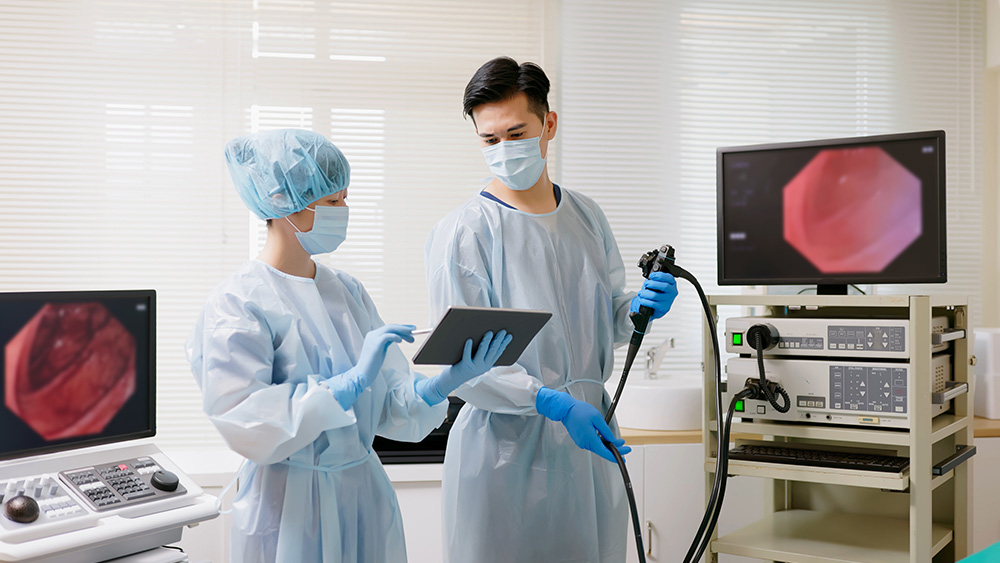
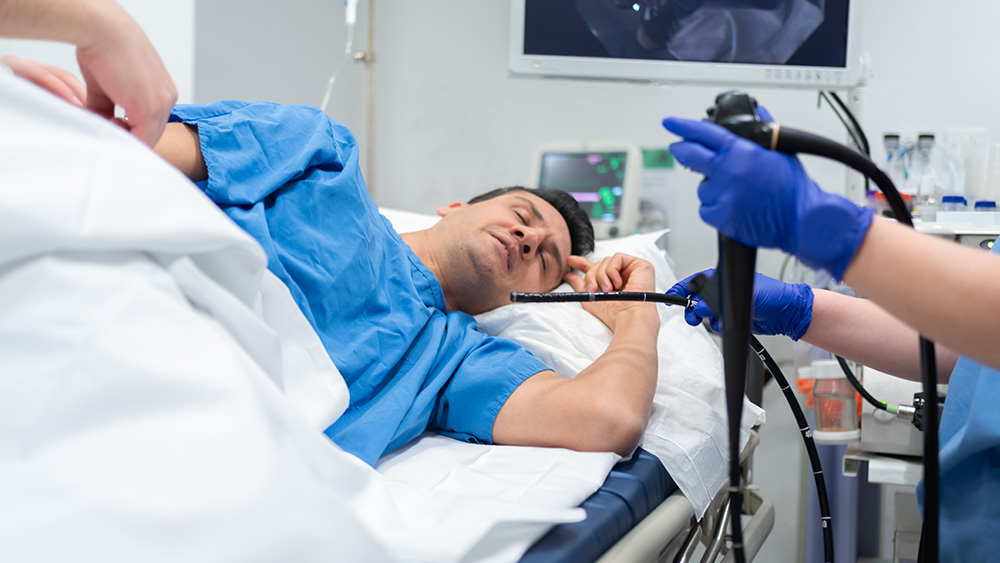
A colonoscopy is a simple, routine, and safe procedure performed under sedation. A doctor uses a long tube with a light and camera to detect polyps in the colon. During the procedure, if necessary, abnormal growths and polyps can be removed or biopsied.
Colonoscopies are performed for a variety of reasons, including screening for colorectal cancer. They can detect cancer before symptoms become noticeable and can allow doctors to discover and remove polyps before they become cancerous.
“Colonoscopy is the key to keeping your colon healthy. It allows the physician to both prevent and detect colon cancer at an early stage, which leads to the greatest chance of full recovery,” Dr. Olson said.
Apart from screening for cancer, colonoscopies are often performed if patients are experiencing:
- bleeding
- changes in bowel activity
- pain in your abdomen
- unexplained weight loss
“Colonoscopy can detect the cause of some symptoms by identifying inflammation, strictures or other abnormal tissue.”
Reasons why patients skip colonoscopies
MYTH: Colonoscopies are too painful
FACT: During a colonoscopy, patients are given a sedative, anesthesia, or pain medicine so that they don’t experience pain during the procedure. A care team closely monitors the patient’s pulse and other vital signs to make sure they are safe.
“The patient is in a relaxed state and often asleep during the entire procedure. Many times after the patient wakes up, they are surprised the procedure had already been completed.”
Colonoscopies take less than an hour and you’ll be able to go home on the same day. After the procedure, you may experience cramping, bloating, or discomfort, but they should not be severe and will go away quickly.
“Even if polyps or biopsies are taken during the procedure you should not feel any increased pain or discomfort,” said Dr. Olson. “In most cases you are able to return to your normal diet the same day.”
MYTH: Colonoscopy prep is too extensive
FACT: While there is more preparation for a colonoscopy than most outpatient procedures, it is not painful and it only takes one day.
“Don’t let rumors scare you away. The preparation for a colonoscopy is to clear out your colon—so the most difficult part is avoiding food for a day.”
Preparation for a colonoscopy consists of:
- A special diet the day before the procedure. Typically, patients cannot eat solid food the day before the exam, and should only consume clear liquids.
- Taking a laxative. Oftentimes, a laxative is given to patients in pill form or powder form that they mix in a drink, and they are instructed to finish it in the 24 hours before the exam. This will help clear out the colon and allow for a successful procedure.
- Adjustment of medications. In some cases, patients may need to adjust their medications. Doctors will inquire about medications that patients are on and make adjustments if need be.
Although the preparation may be challenging for a day or two, it is a small inconvenience to bear to avoid major health complications that could arise if issues go undetected.
MYTH: I’m not at risk for colon cancer
FACT: There are many reasons patients may believe they’re not at risk for colon cancer. They’re too young, too healthy, or they don’t have a family history of colon cancer. However, there are a variety of factors that may put someone at higher risk for colon cancer, including:
- being male
- a history of inflammatory bowel disease
- a genetic disorder that increases risk, such as Lynch syndrome
- lifestyle-related risk factors, such as smoking or being overweight
“You should speak to your primary care physician about your risk factors for colon cancer. If they recommend getting a colonoscopy, it is important that you do so,” Dr. Olson said.
When and how to get screened for colorectal cancer
There are a variety of ways to screen for colorectal cancer, and the frequency in which patients should get screened for colorectal cancer depends on their risk for colorectal cancer.
In general, each type of screening is performed at a different frequency. These may include:
- FIT Test: Performed annually
- Colonoscopy and barium enema: Performed every 5 to 10 years
- Virtual Colonoscopy: Performed every 5 years
Talk with your doctor to determine your risk and for recommendations on screening specific to you.

Related Articles